
Advantages & Disadvantages of CFA Piling | Pros and Limitations Explained
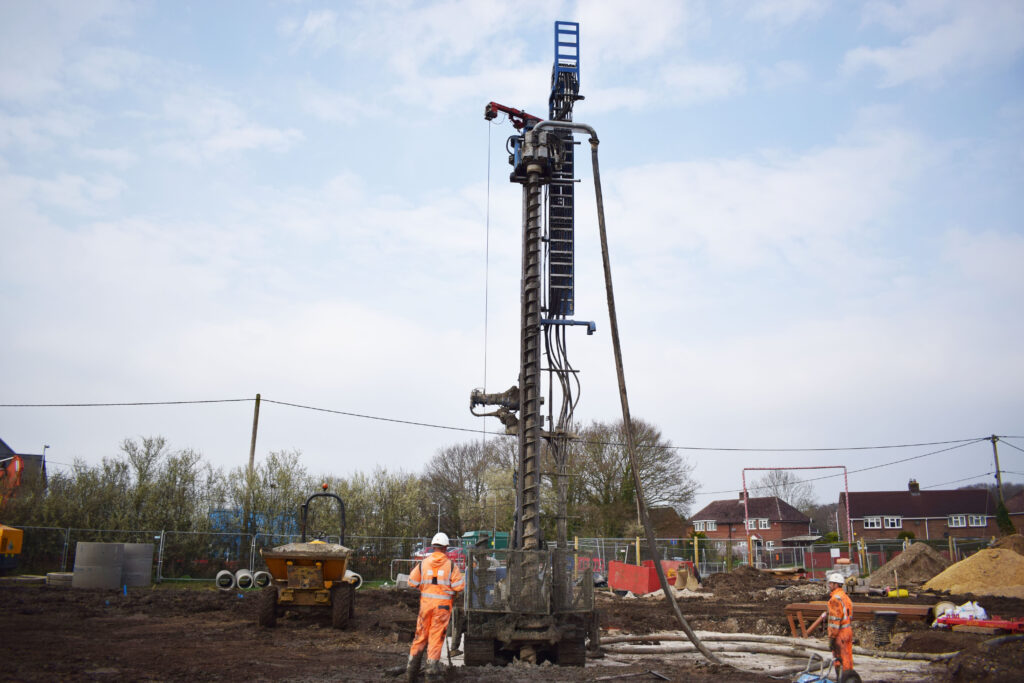
Advantages & Disadvantages of CFA Piling Continuous Flight Auger (CFA) piling is a widely used bored piling method across residential and commercial construction projects. It is valued for its efficiency, load performance and reduced vibration during installation. However, like all foundation systems, it is only suitable where ground conditions and site constraints allow. This guide outlines the key advantages and limitations of CFA piling to help determine whether it is the correct solution for your project. For a full overview of how the system works, see: What Is CFA Piling and When Can It Be Used? Technical specifications are available here: Continuous Flight Auger Piles Advantages of CFA Piling 1. Fast Installation CFA piles are installed in a single continuous operation. A hollow-stem auger drills to the required depth and concrete is pumped through the stem as the auger is withdrawn. This continuous process reduces installation time compared to sectional systems, particularly on open sites with sufficient headroom. For comparison with sectional systems, see: CFA vs SFA Piling: What’s the Difference? 2. Minimal Noise and Vibration Unlike driven piling methods, CFA does not rely on impact installation. This significantly reduces vibration and noise. This makes CFA suitable for: Urban environments Projects near existing structures Sites adjacent to occupied buildings Where vibration-sensitive conditions apply, this can be a key deciding factor. 3. Suitable for a Wide Range of Ground Conditions CFA piling performs well in many soil types, including cohesive soils such as clay. Because concrete is pumped under pressure during withdrawal, bore stability is maintained throughout installation. Understanding site investigation results is critical when assessing suitability: Why Is Site Investigation Important for Pile Design? 4. Strong Load-Bearing Performance CFA piles can be designed to support significant compressive loads, tensile forces and shear demands, depending on diameter and reinforcement. Typical diameters range from 300mm to 600mm, making the method suitable for: Residential extensions Commercial buildings Industrial units See our commercial piling capabilities here: Commercial Piling 5. Reduced Spoil Compared to Some Bored Methods As concrete is introduced during auger withdrawal, the process reduces the risk of bore collapse and excessive ground disturbance when compared with some open-bore techniques. This can improve efficiency and site cleanliness. Disadvantages of CFA Piling While CFA piling offers significant advantages, it is not suitable in every scenario. 1. Headroom Requirements CFA piling requires sufficient vertical clearance to allow continuous drilling in a single pass. Sites with overhead obstructions, low headroom, or confined access may require sectional flight auger (SFA) piling instead: Sectional Flight Auger Piles 2. Access Limitations CFA rigs require adequate working space and a properly prepared working platform. In restricted environments, alternative methods such as mini piling or driven systems may be more appropriate. Read more about working platform requirements here: What Is a Working Platform and Why Is It Required? 3. Dependent on Accurate Ground Information CFA piling relies on appropriate design based on correct ground data. Inaccurate or incomplete site investigation can lead to: Design amendments Equipment changes Additional costs Early engineering review reduces this risk. 4. Not Always Suitable for Highly Obstructed Ground Where ground conditions contain significant obstructions or variable strata, alternative systems such as overburden drill and case piles may be required: Overburden Drill and Case Piles CFA vs Other Piling Methods The choice between CFA and other systems depends on ground conditions, structural load requirements, site access, headroom, and proximity to neighbouring structures. For a detailed comparison between CFA and sectional methods: CFA vs SFA Piling: What’s the Difference? Each project should be assessed individually to ensure the most suitable foundation solution is selected. When Is CFA the Right Choice? CFA piling is typically well suited where: Adequate headroom is available Ground conditions are consistent Minimal vibration is required Efficient installation is a priority Where these criteria are met, CFA offers a reliable, engineered foundation solution for both residential and commercial developments. Professional Assessment Is Essential No single piling method is universally suitable. At Dawson Foundation Engineering, we assess ground investigation reports, structural requirements, site access constraints and project timescales before recommending the appropriate system. To discuss your project, request a free site visit and no-obligation quotation: Contact