
Restricted Access Piling Explained
Many construction projects take place on sites where access is limited. Narrow streets, confined back gardens, existing buildings, and restricted headroom can make it impossible to use traditional piling rigs or larger construction equipment.
In these situations, restricted access piling provides an effective solution. Using compact piling rigs and specialist equipment, contractors can install deep foundations even in extremely confined environments.
This guide explains how restricted access piling works, when it is used, and why it is such an important part of modern mini piling projects.
What Is Restricted Access Piling?
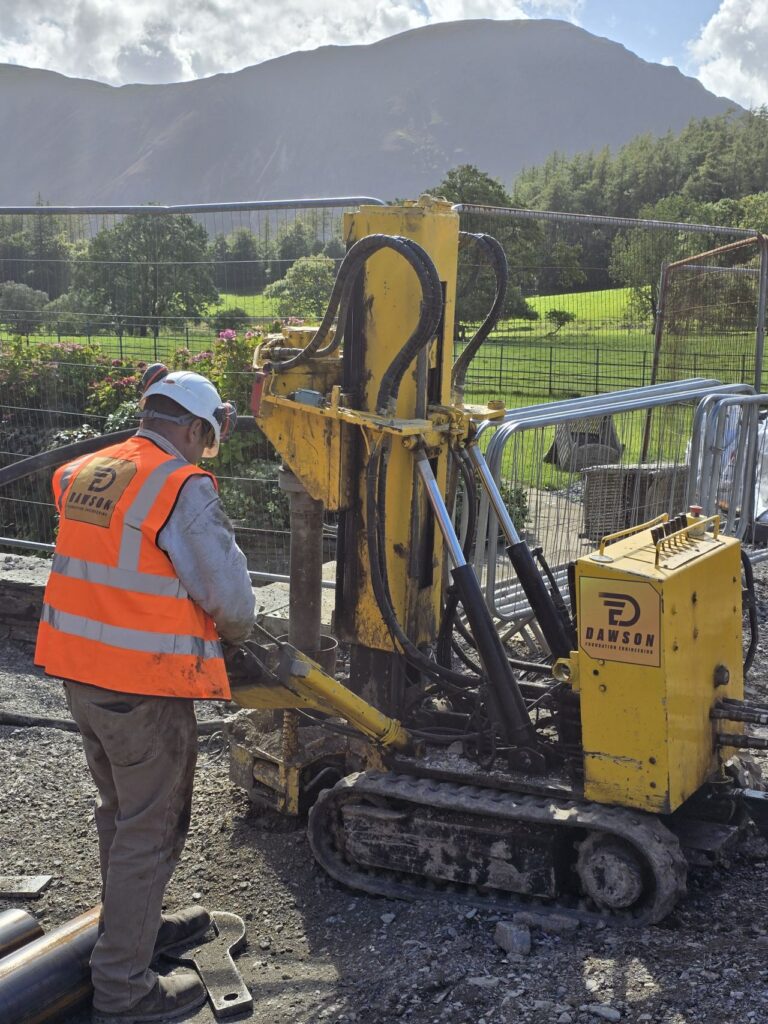
Restricted access piling refers to the installation of piles using small piling rigs designed to operate in confined spaces. These rigs are significantly smaller than standard piling equipment and can often pass through narrow openings such as:
- Residential driveways
- Alleyways
- Garden access routes
- Doorways
- Internal building spaces
This makes restricted access piling ideal for urban construction projects, domestic developments, internal works, and sites where existing structures limit working space.
Why Is Restricted Access Piling Needed?
Urban Construction Sites
Many city and town centre projects involve working between existing buildings where space is extremely limited. Compact piling rigs allow foundations to be installed without the need for large construction equipment, making them ideal for dense urban environments.
Domestic Extensions
Rear extensions and domestic builds often have very limited site access. This is one of the reasons residential piling frequently involves restricted access equipment.
Compact rigs can be transported through side passages, rear gardens, and narrow access routes, allowing foundations to be installed without major disruption.
Low Headroom Environments
Some projects require piling inside existing structures or beneath low ceilings. Specialist rigs are designed to operate with restricted headroom, making them suitable for basements, internal works, and structural alterations.
Projects Near Existing Structures
Where piling is required close to neighbouring buildings, it is often important to minimise ground disturbance and work within tight site boundaries. Restricted access piling allows this work to be carried out efficiently and safely.
Common Situations Where Restricted Access Piling Is Used
- House extensions
- Basement conversions
- Underpinning works
- Internal mezzanine foundations
- Urban infill developments
- Projects with narrow or enclosed access
- Sites with limited working space around the structure
Types of Piling Used on Restricted Access Sites
Several piling methods are suitable for restricted access environments, depending on the site conditions.
Bottom Driven Steel Cased Piles
Bottom driven steel cased piles are widely used on restricted access sites because they can be installed using compact rigs and generate minimal spoil.
Sectional Flight Auger Piles
Sectional flight auger piles are often used where a bored piling solution is needed in a constrained environment.
Overburden Drill and Case Piles
Overburden drill and case piles can be selected for restricted access sites where the ground also presents drilling challenges such as obstructions or variable strata.
Screw Piles
Screw piles may also be suitable on certain tight-access sites, particularly where fast installation and minimal disturbance are important.
Equipment Used for Restricted Access Piling
Restricted access piling relies on specialist plant and tooling that can operate effectively in confined environments.
Grundomat Pile Driver
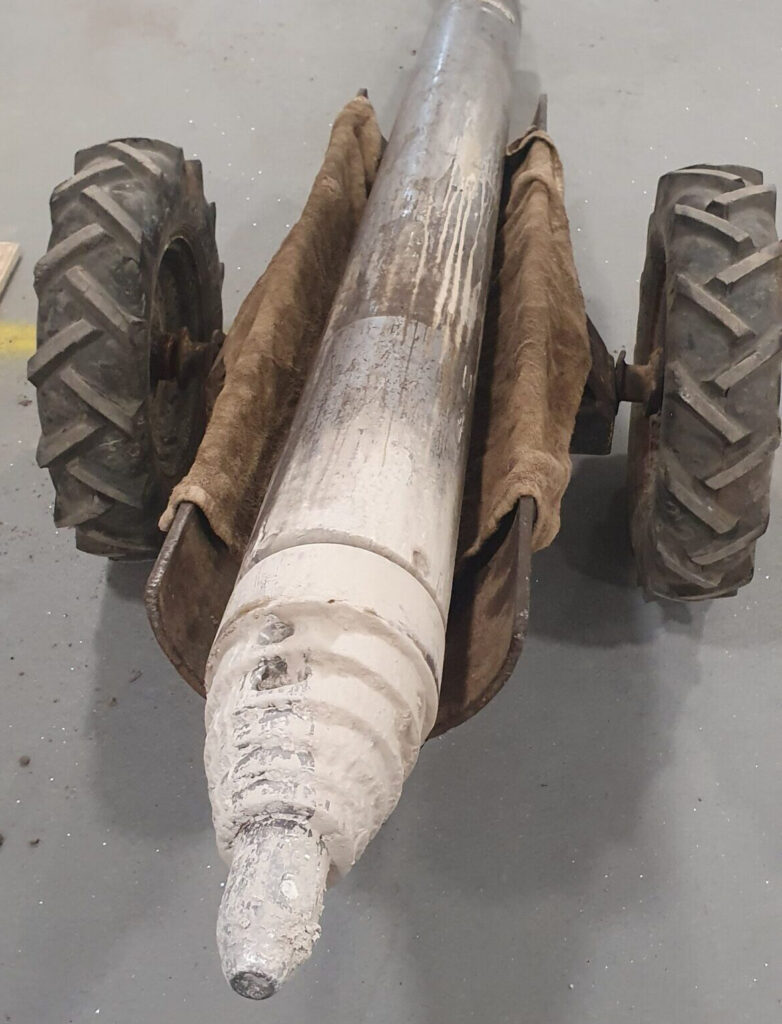
The Grundomat is one of the most compact piling tools available and can often be carried manually by two operatives. It is commonly used on domestic projects and other sites with very limited access.
You can read more in our article on Grundomat piles explained.
Compact Piling Rigs
Small piling rigs such as kitten rigs and specialist drop hammer rigs allow piles to be installed on restricted sites while still achieving significant pile depth and capacity.
Low Headroom Rigs
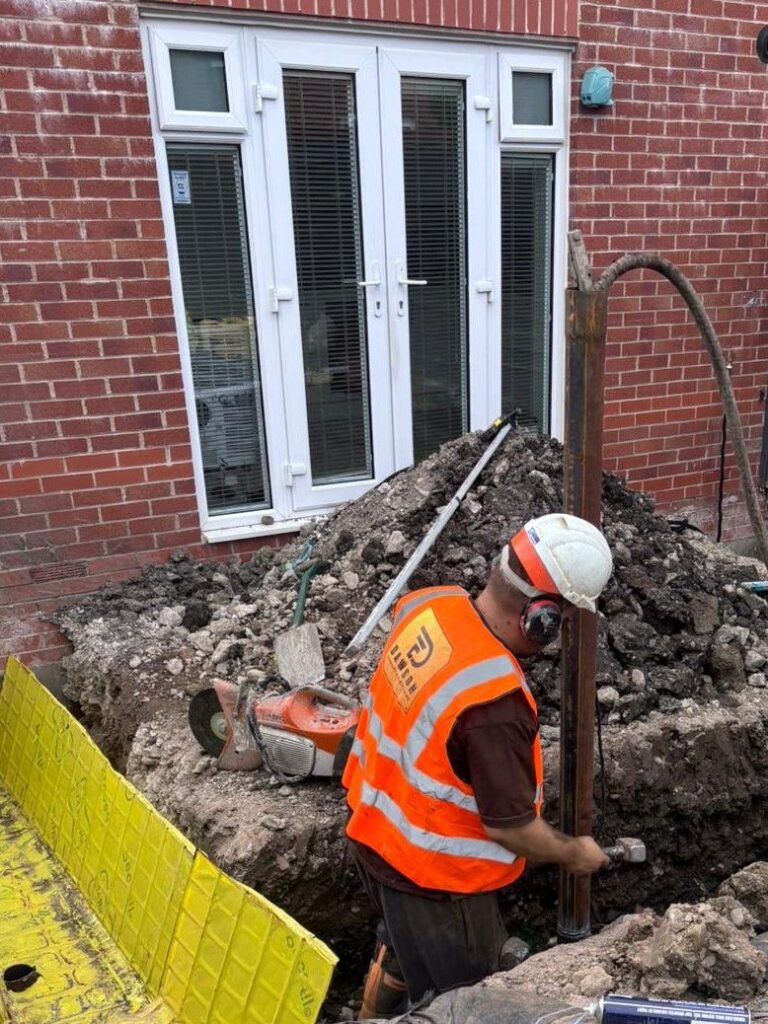
Some rigs are specifically designed to operate in low-clearance environments, making them ideal for internal works and basement construction.
Advantages of Restricted Access Piling
- Enables construction in confined environments
- Reduces disruption to surrounding structures
- Allows foundations to be installed where larger rigs cannot reach
- Suitable for a wide range of ground conditions
- Supports both domestic and commercial developments
Restricted Access Piling and Mini Piling
Restricted access piling is closely associated with mini piling because both rely on compact equipment and specialist installation methods. In many cases, a mini piling scheme is selected specifically because the site cannot be accessed by conventional piling rigs.
This is particularly common on residential projects, urban developments, and refurbishment works within existing structures.
Choosing the Right Solution for a Restricted Access Site
The most appropriate piling solution depends on:
- Site access dimensions
- Headroom limitations
- Ground conditions
- Required load capacity
- Project type and building layout
This is why early planning and specialist input are so important. A piling contractor can review the site constraints and identify the most effective system before work begins.
Restricted Access Piling from Dawson Foundation Engineering
Dawson Foundation Engineering specialises in mini piling and restricted access piling solutions for projects across the UK. Our fleet of compact rigs allows us to install piles efficiently in locations where traditional piling equipment cannot operate.
We support both residential piling and commercial piling projects, providing tailored foundation solutions for a wide range of site constraints and ground conditions.
If you need advice on piling for a restricted access site, contact our team to discuss your project.