
Advantages & Disadvantages of Screw Piling
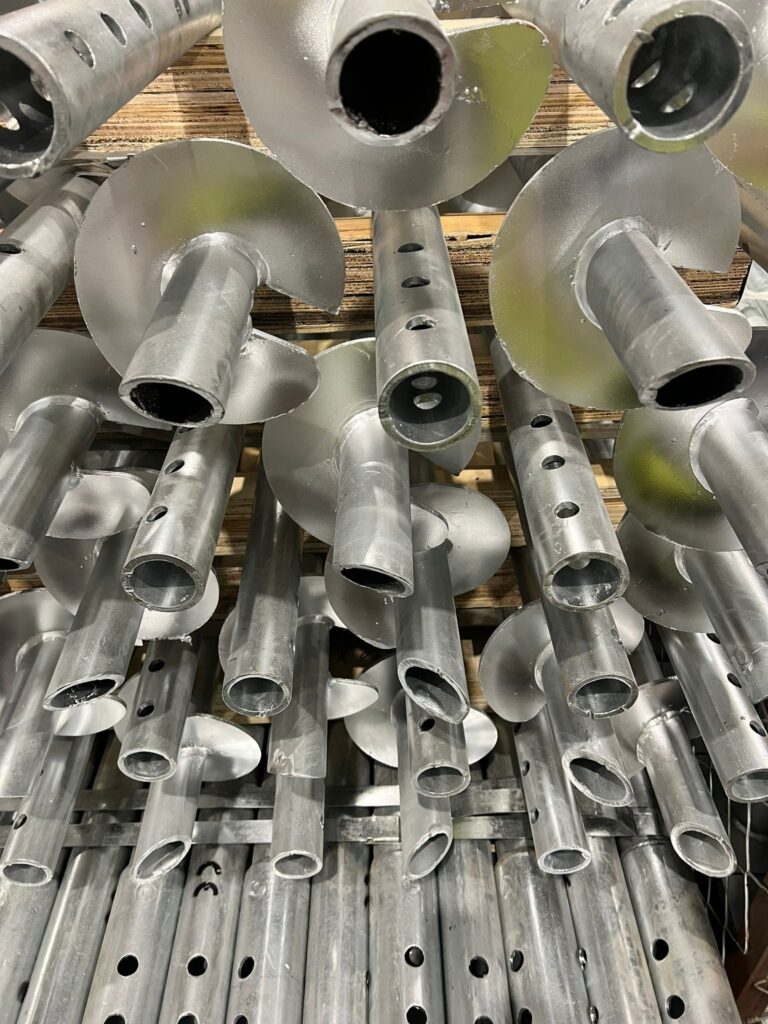
Advantages & Disadvantages of screw piling Screw piling is a foundation solution used across a wide range of residential and commercial projects. The system uses steel piles fitted with helical plates, which are mechanically rotated into the ground to create a load-bearing foundation. Like any piling method, screw piles offer several advantages but may not be suitable for every site. The correct foundation solution will always depend on the ground conditions, structural requirements, access constraints and intended application. For an introduction to the system and its typical uses, read What Is Screw Piling and Where Is It Used?. Further technical information is also available on our Screw Piles service page. Advantages of Screw Piling 1. Rapid Installation Screw piles can be installed efficiently where ground and site conditions are suitable. Multiple piles may be installed within a single working day, helping to reduce programme durations and allowing subsequent construction work to begin sooner. Unlike some foundation systems, screw piles do not normally require concrete to be poured during installation. This means the supported structure can often be connected to the piles without waiting for concrete to cure. 2. Suitable for Restricted Access Sites One of the key benefits of screw piling is its suitability for projects where access or working space is limited. Residential extensions, back garden developments, existing buildings and urban construction sites can all present challenges for larger piling equipment. Depending on the pile specification, screw piles can be installed using handheld equipment or compact machine-mounted hydraulic systems. Read more about the practical considerations in our guide to restricted access piling. 3. Minimal Excavation and Spoil Screw piles are installed by rotating the pile shaft and helical plates into the ground. This process normally requires significantly less excavation than traditional trench foundations. Minimal spoil is produced during installation, which can reduce the amount of material requiring removal from the site and help limit disruption within the working area. 4. Low Noise and Minimal Vibration Screw piling does not use an impact-driven installation process. This results in minimal vibration and relatively low noise compared with some driven piling methods. This can make screw piles particularly useful on projects close to existing properties, live infrastructure, occupied buildings or other sensitive locations. 5. Straightforward Connection to Structures Screw piles can be connected directly to certain steel or timber structures using an appropriately designed connection detail. Depending on the foundation design, this can remove the need for traditional pile caps or reinforced concrete ground beams. The connection arrangement must always be designed around the structure and the loads being supported. 6. Suitable for Root Protection Zones The limited excavation and low ground disturbance associated with screw piling can make the method suitable for projects within root protection zones. Each installation must still be assessed individually to ensure the pile positions and construction process are appropriate for the site and surrounding trees. 7. Removable and Reusable Screw piles can be unscrewed and removed from the ground, making them suitable for temporary installations. Typical applications can include temporary walkways, event staging, modular buildings and construction site platforms. Depending on their condition and specification, removed piles may also be suitable for reuse. Disadvantages and Limitations of Screw Piling 1. Ground Conditions Must Be Suitable Screw piles are not suitable for every ground condition. The ability to install a pile and achieve the required capacity depends on the soil conditions encountered, the pile specification and the installation torque that can be achieved. Accurate information about the ground beneath the site is therefore essential before the system is specified. Read more about why site investigation is important for pile design. 2. Pile Design Is Project-Specific Screw piles cannot be selected using a standard depth or specification for every project. The required pile diameter, shaft arrangement, helix configuration, installation depth and target torque will depend on the ground conditions and structural loading requirements. Our guide to how deep screw piles go explains why the required installation depth varies between sites. 3. Installation Torque and Equipment Must Be Considered The pile capacity is influenced by its design and the installation torque achieved on site. The equipment used must therefore be capable of applying the torque required by the engineering design. Access may also influence whether handheld equipment, compact machinery or a larger excavator-mounted system can be used. 4. Access Still Requires Assessment Although screw piles can be suitable for restricted access projects, access must still be assessed carefully. The installation team requires sufficient space to transport pile sections, position the equipment, connect extensions and complete the work safely. Overhead restrictions, narrow routes and confined working areas can all influence the installation approach. 5. Alternative Piling Methods May Be More Appropriate Screw piles are one of several foundation solutions available. Depending on the ground conditions, structural requirements and site constraints, an alternative method may provide a more suitable design. Alternative solutions can include: Mini piling Continuous Flight Auger piling Bottom driven steel cased piles Sectional Flight Auger piling Where Are Screw Piles Commonly Used? Screw piles can be used across residential, commercial and temporary projects, including: House extensions and small residential developments Lift shafts and plant room bases Decking and garden structures Solar panel foundations Temporary walkways and platforms Event staging and modular structures Projects with restricted access Sites requiring minimal ground disturbance For more information about residential applications, read our guide to screw piles for house extensions. Screw Piles vs Mini Piling Screw piling is a specific foundation method using steel shafts fitted with helical plates. Mini piling is a broader term that can cover several bored, driven, drilled or screwed pile systems installed using compact equipment. Both options can be suitable for restricted access and residential projects, but they are not interchangeable in every situation. The choice will depend on the ground investigation, structural loading, access and engineering requirements. Compare the systems in more detail in our guide to screw piles vs mini piling. How Much Does Screw Piling Cost? The cost of screw piling varies between
Screw Piles vs Mini Piling

Screw Piles vs Mini Piling Both screw piles and mini piling can provide effective foundation solutions where traditional strip foundations are unsuitable. However, they are not two directly equivalent systems. Screw piling is a specific foundation method using steel shafts fitted with helical plates. Mini piling is a broader term covering a range of piling systems installed using compact or restricted-access equipment. The correct solution will depend on the ground conditions, structural loads, access constraints and practical requirements of the individual project. What Are Screw Piles? Screw piles, also known as helical piles, are steel foundation elements comprising a central shaft and one or more helical plates. They are installed by mechanically rotating the pile into the ground using handheld equipment or a machine-mounted hydraulic drive system. The pile is advanced until it reaches either the specified design length or the required target torque. The correct pile diameter, depth and helix arrangement depend on the ground conditions and structural loading requirements. Screw piling can offer several practical benefits, including: Rapid installation Minimal excavation and spoil Low noise and minimal vibration No concrete required for the pile installation itself Suitability for some restricted-access projects The ability to remove piles used for temporary structures Learn more in our guide: What Is Screw Piling and Where Is It Used? Further technical information is available on our Screw Piles service page. What Is Mini Piling? Mini piling refers to a range of piling techniques generally installed using smaller, more compact equipment. It is commonly considered where access is restricted, headroom is limited or ground conditions make conventional foundations impractical. Mini piling can include several different installation methods, such as: Driven piles Bored piles Drilled piles Sectional auger systems Screw piles This means that screw piles can sometimes fall within the wider description of mini piling, depending on the pile size and installation equipment used. Mini piling can be used across both residential and commercial projects. Learn more on our Mini Piling service page. For an overview of the systems available, read Different Types of Mini Piling Methods Explained. Screw Piles vs Mini Piling: Key Differences Consideration Screw Piles Mini Piling Definition A specific steel pile system fitted with helical plates. A broad term covering several compact piling methods. Installation Mechanically rotated into the ground. May be driven, bored, drilled, augered or screwed. Materials Steel shaft and helical plates. Depends on the selected piling method. Excavation Generally produces minimal excavation and spoil. Varies according to the pile type and installation method. Noise and vibration Low noise and minimal vibration. Varies depending on whether the pile is driven, bored or drilled. Restricted access Can be installed using handheld or compact equipment where suitable. Frequently selected for restricted-access or low-headroom sites. Selection Based on ground conditions, installation torque, pile capacity and structural loads. Based on the ground conditions, structural requirements, access and selected mini-piling method. How Are the Installation Methods Different? Screw Pile Installation Screw piles are installed by applying rotational force to the steel shaft. The helical plates allow the pile to advance through the ground as it is rotated. Installation is monitored against either a specified target torque or design length. The equipment used must be capable of applying the torque required by the pile design. Our guide to how deep screw piles go explains why the required depth varies between sites. Mini Pile Installation There is no single mini-piling installation process because the term covers several methods. A mini pile may be driven, bored, drilled, augered or screwed into the ground. The system selected will depend on the ground conditions, loading requirements, access and environmental constraints. For example, a project with restricted headroom may require a sectional system, while a different site may be better suited to a driven or drilled pile. How Do Ground Conditions Affect the Choice? Ground conditions are often one of the deciding factors when selecting a foundation method. The available ground investigation information can help determine: The soil types beneath the site The depth of suitable bearing material Whether obstructions or variable strata are present The required pile depth and specification Which installation methods may be practical Screw piles rely on the selected pile specification and installation torque achieving the required capacity. Where the ground is unsuitable for screw pile installation, another mini-piling method may provide a more appropriate solution. Read more about why site investigation is important for pile design. Which Method Is Better for Restricted Access? Both screw piles and mini-piling systems can be suitable for restricted-access projects. Typical examples include: House extensions Back garden developments Existing buildings Urban construction sites Sites with narrow access routes Projects with overhead restrictions or limited headroom Screw piles may be installed using handheld or compact machine-mounted equipment, depending on the pile specification and required torque. Other mini-piling methods may also use compact rigs designed specifically for confined areas or restricted headroom. The correct choice will depend on more than the physical size of the equipment. The ground conditions, structural capacity and installation requirements must also be considered. Learn more in our guide to restricted access piling. Screw Piles vs Mini Piling for House Extensions Both options may be considered for house extensions where conventional foundations are unsuitable. Mini piling is commonly used for: Rear and side extensions New residential structures Projects with difficult or variable ground conditions Sites where access for larger piling rigs is limited Read more in our guide: When Do You Need Mini Piling for a House Extension? Screw piles may also be suitable where the ground conditions, structural loads and access allow them to be installed correctly. Further information is available in our guide to screw piles for house extensions. Do Both Systems Require Ground Beams? The connection between the piles and the supported structure depends on the foundation design. Screw piles can sometimes be connected directly to steel or timber structures using an engineered connection. In these circumstances, conventional pile caps or reinforced concrete ground beams may not be required. Other screw-piling and mini-piling
SFA Bored Piles at JCB Golf & Country Club
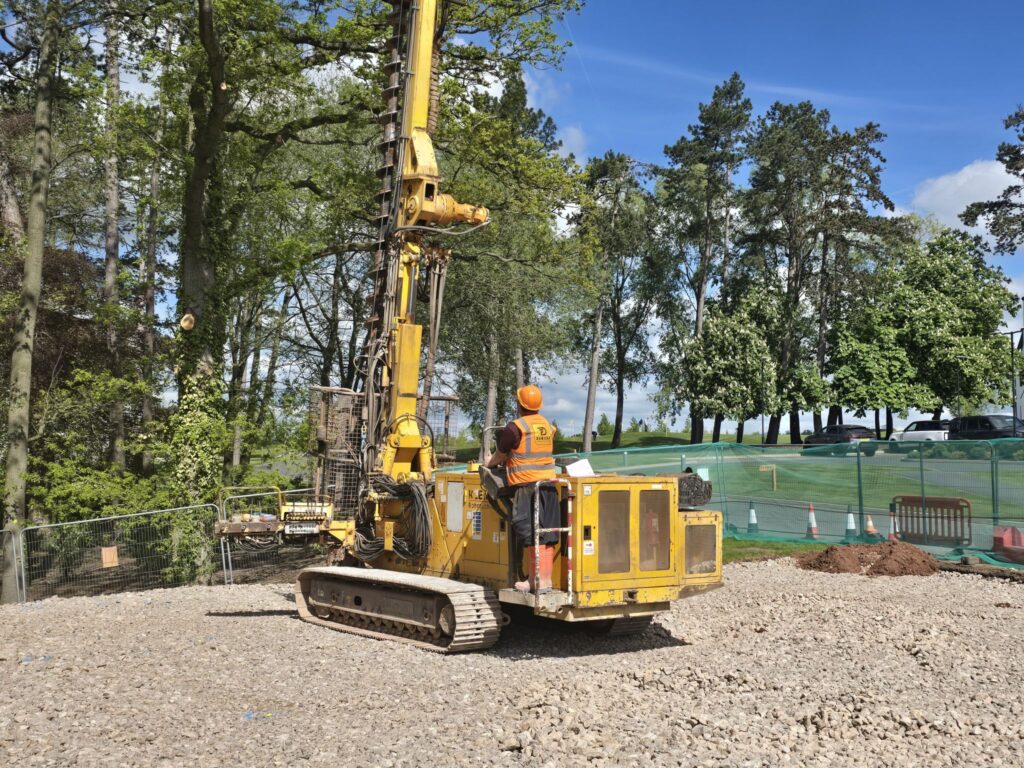
Dawson Foundation Engineering installed 88 No. 300mm diameter SFA bored piles at JCB Golf & Country Club in Uttoxeter, with the piles designed in-house to support compressive, tensile and shear actions.
Recent Piling Projects Across the UK
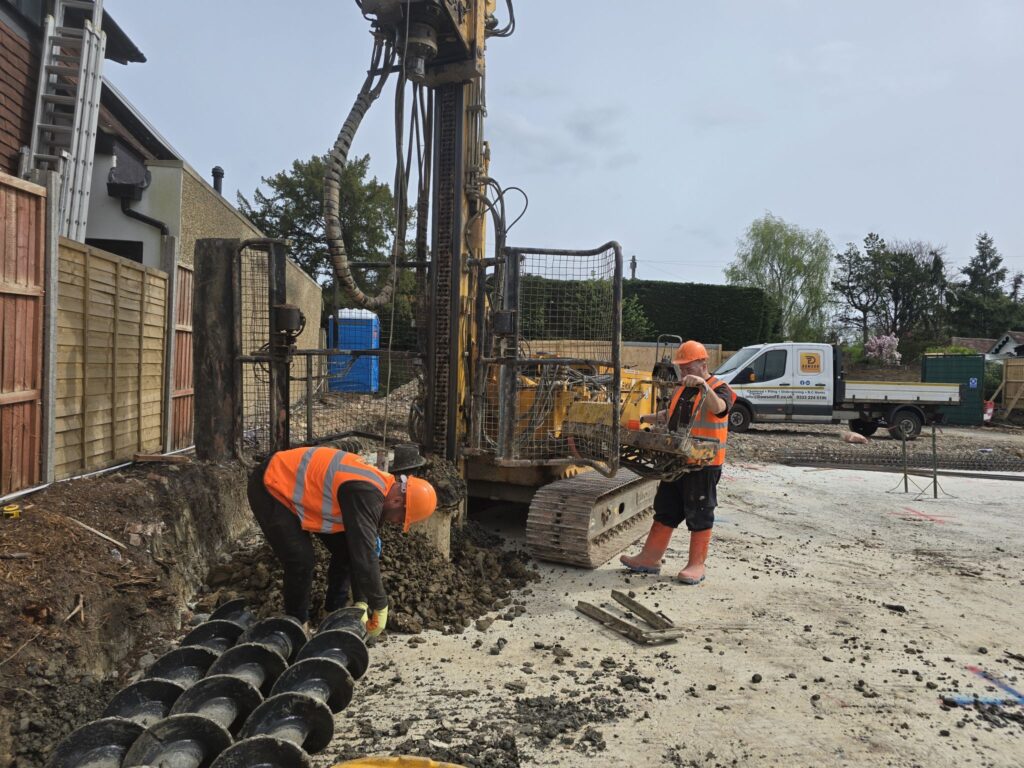
Recent Piling Projects Across the UK Dawson Foundation Engineering has recently completed a series of piling projects across the UK, delivering just under 3,000 linear metres of pile installation across sites in Liverpool, Surrey, Stoke and Birmingham. These projects have included a combination of Continuous Flight Auger (CFA) piling, restricted access piling and bottom driven piling, demonstrating the range of methods required to suit different ground conditions, structural requirements and site constraints. Learn more about our core piling services: Continuous Flight Auger Piles Bottom Driven Steel Cased Piles Mini Piling CFA Piling Works Across Multiple UK Sites The majority of recent works have been completed using our Klemm 709 rig, delivering high productivity across a range of commercial and residential sites. Continuous Flight Auger piling is particularly suited to projects where efficient installation and reduced vibration are required. The method allows piles to be installed in a single continuous operation, making it suitable for larger sites with sufficient access and headroom. Read more about the method here: What Is CFA Piling and When Can It Be Used? Restricted Access and Specialist Piling Works In addition to large-scale CFA operations, restricted access works have been carried out using smaller specialist rigs, including our Kitten rig. These systems are designed for sites where access is limited or headroom is restricted, allowing piling works to be completed in environments where larger rigs are not suitable. Restricted access piling is commonly required on: Urban developments Back garden extensions Sites with overhead obstructions Confined working areas Learn more here: Restricted Access Piling Explained Bottom Driven Piling for Domestic Projects Alongside CFA and restricted access works, recent projects have included domestic installations using bottom driven steel cased piles, including a scheme installing 150mm diameter piles and associated ground beams. Bottom driven piling is often used on residential projects where ground conditions and access allow, providing a reliable solution for extensions and new builds. Find out more about this method: What Are Bottom Driven Steel Cased Piles? Projects Delivered Across the UK Recent works have been carried out across a range of locations, including: Liverpool Surrey Stoke Birmingham Each site presents different ground conditions, access challenges and structural requirements. This is why selecting the correct piling method is essential for both performance and efficiency. Understanding site conditions begins with proper investigation: Why Is Site Investigation Important for Pile Design? Engineering-Led Approach to Every Project Every project undertaken by Dawson Foundation Engineering is assessed individually to determine the most appropriate piling solution. This includes reviewing: Ground investigation reports Structural load requirements Site access and working conditions Programme constraints Working platform design is also a critical factor for safe and efficient installation: What Is a Working Platform and Why Is It Required? Speak to Our Team If you have a project requiring piling works, our team can provide a free site visit and no-obligation quotation based on your specific requirements. Contact us to discuss your project: Contact Dawson FE
Screw Pile Cost in The UK
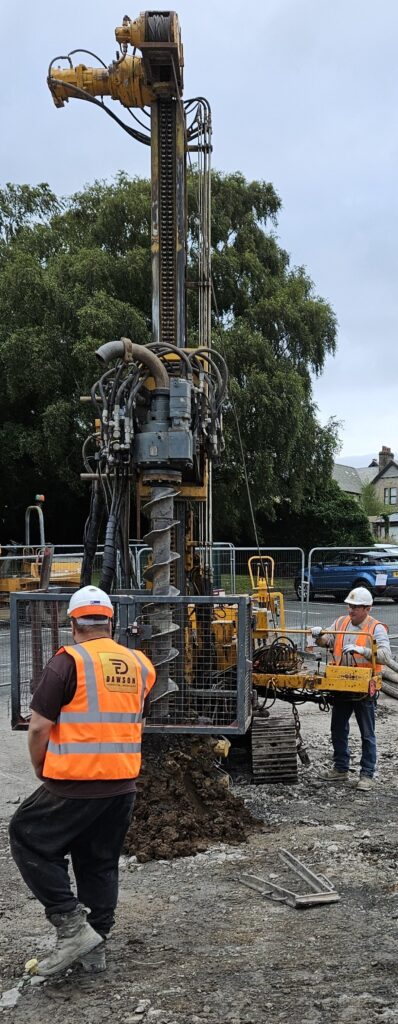
Screw Pile Cost in the UK The cost of screw piling in the UK varies depending on the ground conditions, pile design, structural loading and site-specific requirements. As with all foundation systems, there is no reliable fixed price per pile that can be applied to every project. Each site must be assessed individually to ensure the correct engineering solution is designed and installed. At Dawson Foundation Engineering, we provide free site visits and no-obligation quotations, helping clients understand the likely scope and cost of their foundation works before installation begins. For an introduction to the system, read What Is Screw Piling and Where Is It Used?. Further technical information is available on our Screw Piles service page. What Affects Screw Pile Costs? Several factors influence the cost of screw piling. These relate to the ground conditions, structural requirements, installation method and practical constraints of the individual project. 1. Ground Conditions Ground conditions are one of the most significant factors affecting cost. Soil type, strength and consistency can influence the required depth, pile specification and installation process. Conditions such as clay, made ground or variable strata must be considered when determining whether screw piles are suitable and how they should be designed. Accurate ground information is therefore essential. Read more about why site investigation is important for pile design. 2. Pile Depth and Load Requirements Screw piles are designed according to the structural loads they are required to support. Depending on the project, these may include compressive, tensile and lateral loads. Greater or more complex loading requirements may result in: Increased pile depth A different helix arrangement A larger or higher-specification steel shaft Different installation torque requirements These factors can affect the amount of material required, the installation equipment used and the overall cost of the work. There is no standard installation depth for every site. Our guide to how deep screw piles go explains this in more detail. 3. Site Access and Working Area Site access can have a significant influence on the cost and practical delivery of a screw-piling project. Restricted or confined sites may require handheld equipment, compact machinery or a carefully planned installation sequence. This can affect mobilisation, working time and the way pile sections are transported into the installation area. Screw piling is often considered for sites where larger piling equipment cannot operate, but access constraints must still be assessed before work begins. Learn more in our guide to restricted access piling. 4. Working Area and Ground Preparation The installation equipment must have a safe and suitable area from which to operate. Depending on the equipment selected, ground conditions and site layout, preparation may be required to create an appropriate working area or platform. Any additional access or ground-preparation work may affect the overall project cost. Further information is available in our guide: What Is a Working Platform and Why Is It Required? 5. Project Type and Scale The type and scale of the development will also influence the cost of screw piling. For example: House extensions and small residential structures may require fewer piles and lower load capacities Commercial projects may require a larger number of piles, greater capacities and additional engineering input Temporary structures may require a different connection and removal strategy For residential applications, read our guide to screw piles for house extensions or visit our Residential Piling page. For larger developments, visit our Commercial Piling page. Is Screw Piling Cost-Effective? Screw piling can provide a cost-effective foundation solution where the method is suitable for the ground conditions, proposed structure and site access. Potential programme and cost benefits can include: Efficient installation No concrete required for the pile installation itself No waiting period for concrete within the pile to cure Minimal excavation and spoil Low noise and minimal vibration Compact installation equipment for restricted access sites The ability to remove piles used for temporary installations However, these benefits do not mean that screw piles will automatically be the least expensive option for every project. Suitability must be confirmed through proper engineering assessment and design. For a balanced review of the method, read our guide to the advantages and disadvantages of screw piling. Screw Piling vs Other Foundation Methods The cost of screw piling should always be considered alongside the cost and suitability of alternative foundation solutions. Depending on the ground conditions, structural requirements and access constraints, another piling method may provide a more appropriate solution. Alternative methods can include: Mini Piling Continuous Flight Auger Piles Bottom Driven Steel Cased Piles Sectional Flight Auger Piles Screw piling is a specific foundation method, whereas mini piling is a broader term covering a range of piling systems and compact installation equipment. Read our Screw Piles vs Mini Piling guide for a more detailed comparison. How to Get an Accurate Screw Piling Quote Because every site and structure is different, an accurate cost can only be determined following a project-specific assessment. Useful information can include: Ground investigation data Structural drawings and load requirements The proposed foundation layout Site access information Details of overhead or working-space restrictions The proposed connection between the piles and structure Any associated groundworks required At Dawson Foundation Engineering, we assess the available information before recommending the most appropriate piling solution. To discuss your project, call 0333 224 5196 or send us an enquiry to arrange a free site visit and no-obligation quotation. Speak to Our Team If you require screw piling for your project, our team can provide a free site visit and no-obligation quotation based on your specific requirements. Contact us to discuss your project: Contact
Mini Piling Cost for House Extensions in the UK
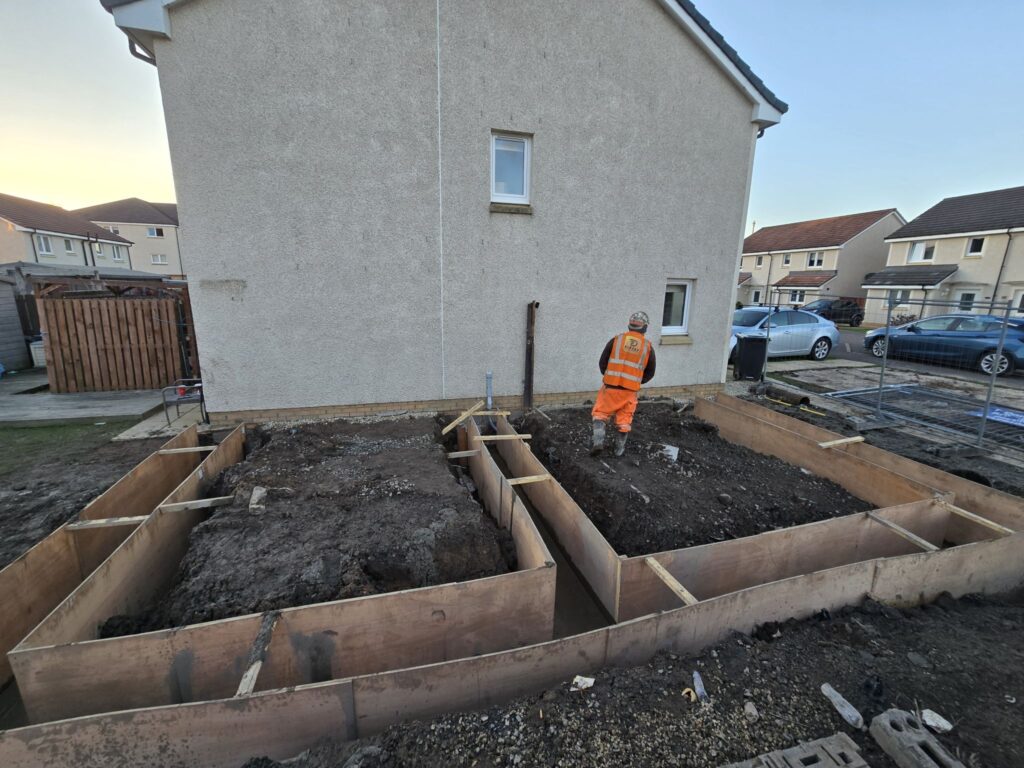
Mini Piling Cost for House Extensions in the UK If you are planning a house extension, one of the key questions is how much the foundations will cost. Where traditional foundations are not suitable, mini piling is often required, but costs can vary significantly depending on the project. This guide explains what affects mini piling costs and what you can expect when budgeting for your project. Average Cost of Mini Piling The cost of mini piling varies depending on several factors, but as a general guide: Small domestic projects: £3,000 – £10,000+ Larger extensions: £10,000 – £25,000+ These figures are indicative only and will depend on site-specific conditions. Factors That Affect Cost Ground Conditions Poor ground conditions often require deeper piles or specialist techniques such as drill and case piling, which can increase costs. Pile Depth Deeper piles require more materials and time to install, increasing overall cost. Access Restrictions Restricted access sites may require specialist equipment, which can influence pricing. Piling Method Different piling systems vary in cost: Driven piles are often cost-effective for domestic work SFA piles are suitable for a wide range of conditions CFA piles may be used for larger projects Additional Costs to Consider Ground investigation Structural design Ground beams and pile caps Site preparation You can read more in our guide on piling costs. Is Mini Piling Worth the Cost? While mini piling can be more expensive than traditional foundations, it is often the only safe and reliable solution where ground conditions are poor. It can also prevent costly structural issues later in the build. Get a Quote for Your Project At Dawson Foundation Engineering, we provide tailored mini piling solutions based on your site conditions and project requirements. For an accurate quote, contact our team today.