
Mini Piling vs Traditional Foundations

Mini Piling vs Traditional Foundations Choosing the right type of foundation is one of the most important decisions in any construction project. While traditional strip foundations are widely used, they are not always suitable, particularly where ground conditions are poor or access is restricted. In these cases, mini piling provides an effective alternative. This guide compares mini piling with traditional foundations and explains when each method is appropriate. What Are Traditional Foundations? Traditional foundations, such as strip or trench fill foundations, involve excavating trenches and filling them with concrete to support the structure above. They are commonly used for: Domestic housing Extensions on stable ground Low-rise buildings However, they rely on the ground near the surface being strong enough to support the load. What Is Mini Piling? Mini piling uses small-diameter piles installed to deeper depths, transferring loads to stronger ground below the surface. This makes it suitable for: Poor or unstable ground conditions Restricted access sites Projects close to existing structures Key Differences Ground Conditions Traditional foundations require stable soil near the surface. Mini piling can be used where ground conditions are weak, variable, or contaminated. Depth Traditional foundations are shallow, whereas piles extend much deeper to reach stable strata. Excavation Traditional foundations require significant excavation. Mini piling requires minimal excavation, reducing disruption. Access Mini piling is ideal for restricted access sites where large excavation equipment cannot operate. When Is Mini Piling Required? Mini piling is typically used when: Ground conditions are poor There is limited site access Construction is close to existing buildings Deep foundations are required Which Option Is Best? The best foundation solution depends on site conditions and structural requirements. A professional contractor will assess the site and recommend the most suitable approach. Foundation Solutions from Dawson Foundation Engineering We provide both mini piling and specialist foundation solutions for residential and commercial projects. To discuss your project, contact us today.
How Deep Can Mini Piles Go?
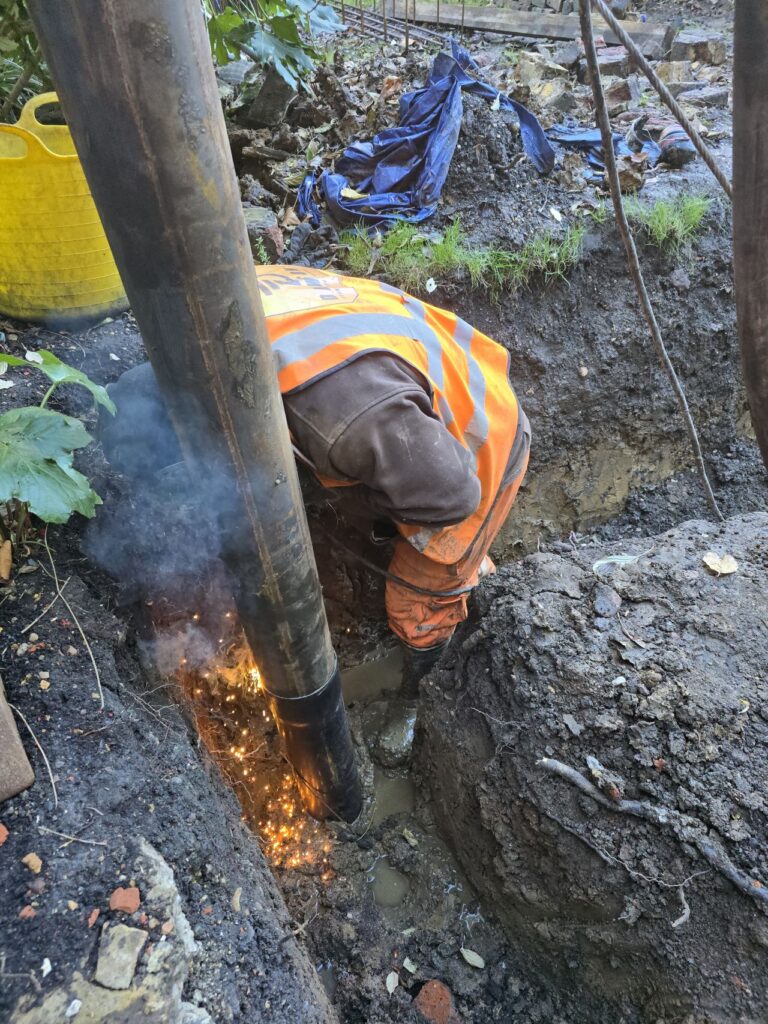
How Deep Can Mini Piles Go? One of the most common questions when considering mini piling is how deep the piles need to be. The depth of a pile is a critical factor in ensuring that a structure is safely supported and that loads are transferred to stable ground. Mini piling is widely used for domestic and commercial projects across the UK, particularly where ground conditions are poor or access is restricted. In this guide, we explain how deep mini piles can go, what determines their depth, and why correct design is essential. Typical Depth of Mini Piles Mini piles can typically be installed to depths ranging from 5 metres to over 25 metres, depending on site conditions and structural requirements. In many domestic projects, piles are often installed between: 8–15 metres for house extensions 10–20 metres for larger residential structures 15–25+ metres for commercial projects However, there is no fixed depth for mini piles. The required depth depends entirely on the ground conditions and the load the pile must support. What Determines Mini Pile Depth? Ground Conditions The most important factor affecting pile depth is the type of soil on site. Piles must extend through weak or unstable ground until they reach a strong, load-bearing layer. Common scenarios include: Soft clay requiring deeper piles Made ground needing piles to bypass fill layers Dense granular soils allowing shallower depths Rock layers providing a strong bearing stratum Where ground conditions are particularly challenging, systems such as overburden drill and case piles may be used to achieve the required depth. Structural Load The weight of the structure also determines how deep piles need to go. Heavier loads require deeper or more robust piles to safely transfer forces into the ground. For example: Single-storey extensions may require shallower piles Multi-storey buildings require deeper foundations Commercial structures often demand greater pile depth and capacity Type of Piling Method Different piling systems can achieve different depths depending on the equipment and installation technique. Bottom driven steel cased piles are commonly used for restricted access and can achieve significant depths Sectional flight auger piles are suitable for a wide range of soil conditions Continuous flight auger piles can achieve greater depths efficiently Site Constraints Access restrictions and headroom limitations can also influence the type of rig used and, in some cases, the achievable depth. However, modern mini piling equipment is capable of installing deep piles even in confined environments. Why Do Piles Need to Go Deep? The purpose of piling is to transfer structural loads to stable ground. Shallow soils are often too weak or variable to support a building safely. By installing piles to sufficient depth, engineers can: Avoid settlement issues Improve load distribution Ensure long-term structural stability Prevent movement in weak soils How Is the Required Depth Determined? Before piling begins, a site investigation is typically carried out to understand the ground conditions. This information is used by engineers to design the foundation system. The process includes: Soil testing and borehole data Structural load calculations Pile design and specification This ensures that piles are installed to the correct depth for the specific site conditions. Mini Piling Solutions from Dawson Foundation Engineering At Dawson Foundation Engineering, we provide mini piling solutions tailored to the specific requirements of each project. Our team assesses ground conditions and structural loads to determine the optimal pile depth and installation method. If you need advice on piling depth for your project, contact our team for expert guidance.
Restricted Access Piling Explained
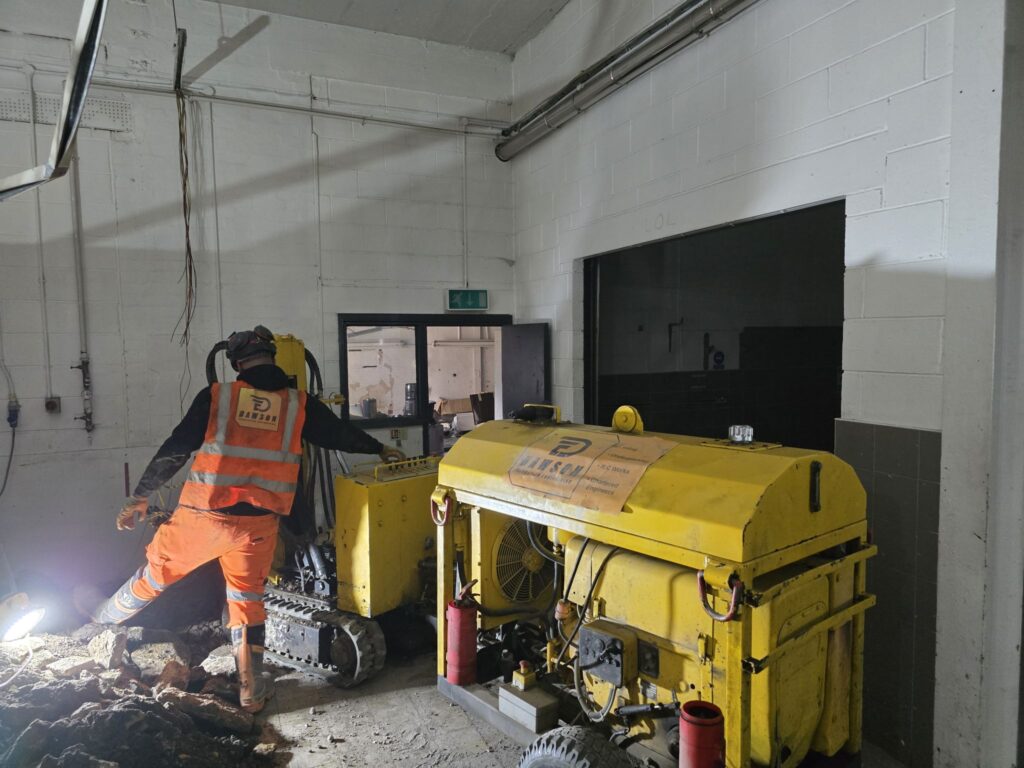
Restricted Access Piling Explained Many construction projects take place on sites where access is limited. Narrow streets, confined back gardens, existing buildings, and restricted headroom can make it impossible to use traditional piling rigs or larger construction equipment. In these situations, restricted access piling provides an effective solution. Using compact piling rigs and specialist equipment, contractors can install deep foundations even in extremely confined environments. This guide explains how restricted access piling works, when it is used, and why it is such an important part of modern mini piling projects. What Is Restricted Access Piling? Restricted access piling refers to the installation of piles using small piling rigs designed to operate in confined spaces. These rigs are significantly smaller than standard piling equipment and can often pass through narrow openings such as: Residential driveways Alleyways Garden access routes Doorways Internal building spaces This makes restricted access piling ideal for urban construction projects, domestic developments, internal works, and sites where existing structures limit working space. Why Is Restricted Access Piling Needed? Urban Construction Sites Many city and town centre projects involve working between existing buildings where space is extremely limited. Compact piling rigs allow foundations to be installed without the need for large construction equipment, making them ideal for dense urban environments. Domestic Extensions Rear extensions and domestic builds often have very limited site access. This is one of the reasons residential piling frequently involves restricted access equipment. Compact rigs can be transported through side passages, rear gardens, and narrow access routes, allowing foundations to be installed without major disruption. Low Headroom Environments Some projects require piling inside existing structures or beneath low ceilings. Specialist rigs are designed to operate with restricted headroom, making them suitable for basements, internal works, and structural alterations. Projects Near Existing Structures Where piling is required close to neighbouring buildings, it is often important to minimise ground disturbance and work within tight site boundaries. Restricted access piling allows this work to be carried out efficiently and safely. Common Situations Where Restricted Access Piling Is Used House extensions Basement conversions Underpinning works Internal mezzanine foundations Urban infill developments Projects with narrow or enclosed access Sites with limited working space around the structure Types of Piling Used on Restricted Access Sites Several piling methods are suitable for restricted access environments, depending on the site conditions. Bottom Driven Steel Cased Piles Bottom driven steel cased piles are widely used on restricted access sites because they can be installed using compact rigs and generate minimal spoil. Sectional Flight Auger Piles Sectional flight auger piles are often used where a bored piling solution is needed in a constrained environment. Overburden Drill and Case Piles Overburden drill and case piles can be selected for restricted access sites where the ground also presents drilling challenges such as obstructions or variable strata. Screw Piles Screw piles may also be suitable on certain tight-access sites, particularly where fast installation and minimal disturbance are important. Equipment Used for Restricted Access Piling Restricted access piling relies on specialist plant and tooling that can operate effectively in confined environments. Grundomat Pile Driver The Grundomat is one of the most compact piling tools available and can often be carried manually by two operatives. It is commonly used on domestic projects and other sites with very limited access. You can read more in our article on Grundomat piles explained. Compact Piling Rigs Small piling rigs such as kitten rigs and specialist drop hammer rigs allow piles to be installed on restricted sites while still achieving significant pile depth and capacity. Low Headroom Rigs Some rigs are specifically designed to operate in low-clearance environments, making them ideal for internal works and basement construction. Advantages of Restricted Access Piling Enables construction in confined environments Reduces disruption to surrounding structures Allows foundations to be installed where larger rigs cannot reach Suitable for a wide range of ground conditions Supports both domestic and commercial developments Restricted Access Piling and Mini Piling Restricted access piling is closely associated with mini piling because both rely on compact equipment and specialist installation methods. In many cases, a mini piling scheme is selected specifically because the site cannot be accessed by conventional piling rigs. This is particularly common on residential projects, urban developments, and refurbishment works within existing structures. Choosing the Right Solution for a Restricted Access Site The most appropriate piling solution depends on: Site access dimensions Headroom limitations Ground conditions Required load capacity Project type and building layout This is why early planning and specialist input are so important. A piling contractor can review the site constraints and identify the most effective system before work begins. Restricted Access Piling from Dawson Foundation Engineering Dawson Foundation Engineering specialises in mini piling and restricted access piling solutions for projects across the UK. Our fleet of compact rigs allows us to install piles efficiently in locations where traditional piling equipment cannot operate. We support both residential piling and commercial piling projects, providing tailored foundation solutions for a wide range of site constraints and ground conditions. If you need advice on piling for a restricted access site, contact our team to discuss your project.
Different Types of Mini Piling Methods Explained

Different Types of Mini Piling Methods Explained Mini piling is one of the most versatile foundation solutions used in modern construction. It allows engineers and contractors to install deep foundations using compact equipment, making it ideal for projects where access is restricted or ground conditions are challenging. However, there is no single type of mini piling system. Several different methods exist, each suited to particular ground conditions, loading requirements, and construction constraints. In this guide, we explain the most common types of mini piling methods used in the UK and when each one is typically selected. What Is Mini Piling? Mini piling refers to the installation of small-diameter piles using lightweight piling rigs, usually weighing less than 20 tonnes. These systems are commonly used on residential projects, commercial developments, structural underpinning works, and restricted access sites where larger equipment cannot operate. The purpose of mini piling is to transfer the load of a structure through weak or variable soils into stronger load-bearing strata deeper below ground level. Why Are Different Mini Piling Methods Used? No two sites are exactly the same. The appropriate piling method depends on several factors, including: Ground conditions Depth to competent bearing strata Site access restrictions Headroom limitations Structural load requirements Proximity to neighbouring buildings Noise and vibration constraints This is why specialist contractors offer a range of piling systems rather than a single method. Bottom Driven Steel Cased Piles Bottom driven steel cased piles are one of the most commonly used mini piling methods for domestic and restricted access projects. How They Work A steel casing is driven into the ground using a drop hammer or similar installation tool. Once the required depth is reached, the pile is filled with concrete or grout and reinforced as required. When They Are Used Restricted access sites Domestic extensions Underpinning projects Sites with low headroom Advantages Minimal spoil generation Suitable for tight spaces Fast installation Well suited to smaller domestic jobs Sectional Flight Auger Piles Sectional flight auger piles, often referred to as SFA piles, are a bored piling method used where access is restricted but significant load capacity is still required. How They Work A sectional auger drills the bore in stages, allowing the rig to operate in more constrained conditions than some larger piling methods. Once the bore is completed, concrete is placed and reinforcement is installed where necessary. When They Are Used Restricted access sites Low to moderate headroom conditions Residential and commercial developments Sites requiring bored pile construction Advantages Suitable for a wide range of soil conditions Reduced vibration compared with driven methods Capable of supporting significant loads You can also read more in our article on what sectional flight auger piling is and when it is used. Continuous Flight Auger Piles Continuous flight auger piles, or CFA piles, are another bored piling method often used where efficient installation and reduced vibration are important. How They Work A continuous hollow-stem auger drills into the ground to the required depth. Concrete is then pumped through the stem as the auger is withdrawn, forming the pile. When They Are Used Residential developments Commercial foundations Projects where vibration-sensitive conditions apply Sites requiring larger bored pile diameters Advantages Fast and efficient installation Low vibration Suitable for many soil types For more detail, see what CFA piling is and when it can be used. Overburden Drill and Case Piles Overburden drill and case piles are often used where the ground contains obstructions, unstable overburden, or rock. How They Work The pile is advanced by drilling with casing support, allowing the system to maintain bore stability through difficult ground before reaching the required founding depth. When They Are Used Ground with cobbles or boulders Mixed or unstable strata Rocky conditions Sites where conventional bored piling is unsuitable Advantages Effective in difficult ground conditions Can penetrate obstructions and unstable soils Useful where deeper competent strata must be reached You can also read our existing guide on what ODEX piling is. Screw Piles Screw piles are steel shafts with helical plates that are rotated into the ground. They are a fast and efficient option for certain types of structure. How They Work The pile is screwed into the ground using a hydraulic drive head. Once installed to the required depth or torque, the pile can be connected to the structure above. When They Are Used Lightweight structures Temporary works Projects requiring fast installation Sites where spoil and disturbance should be minimised Advantages Rapid installation Minimal excavation Low vibration Can be ideal for environmentally sensitive sites For more information, see what screw piling is and where it is used. How Is the Right Mini Piling Method Chosen? The best piling system is selected based on a detailed review of the site conditions and the structural requirements of the project. This often includes: Ground investigation data Loadings from the proposed structure Site access limitations Headroom restrictions Neighbouring buildings and services Noise and vibration considerations This is why early engagement with a specialist contractor is so important. Why Mini Piling Is So Widely Used Mini piling offers several advantages compared with shallow foundations and larger piling systems: Suitable for restricted access sites Effective in poor or variable ground conditions Reduced excavation requirements Reliable structural performance Suitable for both domestic and commercial projects These advantages make mini piling one of the most widely used foundation solutions in modern construction. Mini Piling Solutions from Dawson Foundation Engineering At Dawson Foundation Engineering, we provide a wide range of piling solutions for domestic and commercial construction projects across the UK. Whether the project requires bottom driven steel cased piles, sectional flight auger piles, continuous flight auger piles, overburden drill and case piles, or screw piles, our team can advise on the most suitable system. If you would like advice on the right piling method for your project, contact us to speak to our team.
When Do You Need Mini Piling for a House Extension?
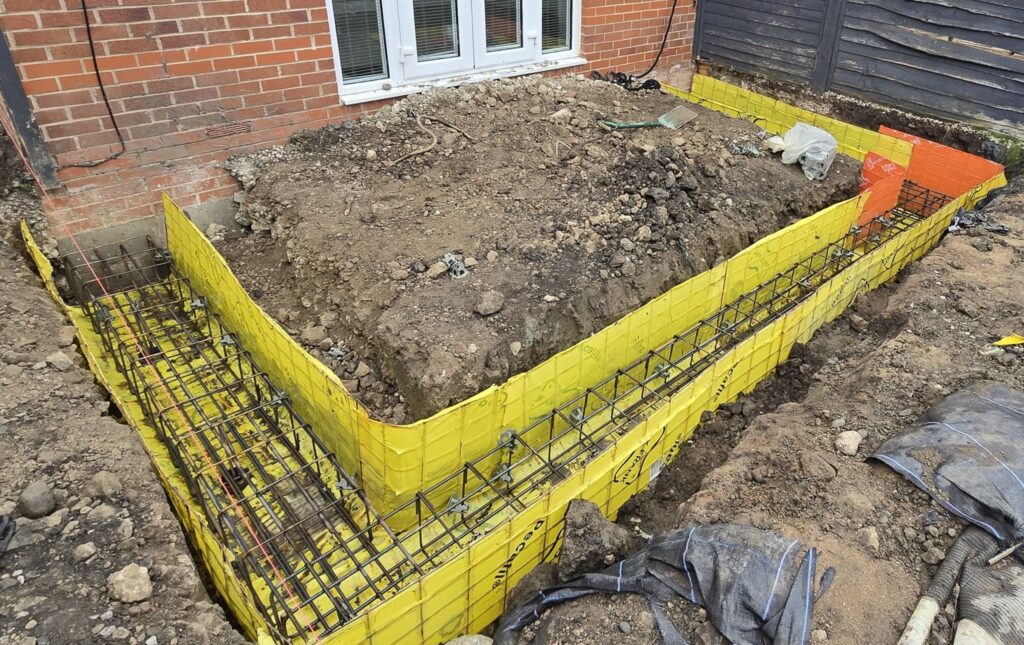
When Do You Need Mini Piling for a House Extension? When planning a house extension, one of the most important considerations is the foundation design. In many cases, traditional strip foundations are sufficient, but where ground conditions are poor or access is restricted, mini piling may be required instead. Mini piling has become a widely used foundation solution for domestic construction across the UK, particularly in urban areas where space is limited or where existing structures must be protected. In this guide, we explain when mini piling is required for a house extension, how it works, and why it is often the safest and most reliable solution for challenging sites. What Is Mini Piling? Mini piling is a foundation technique that uses small-diameter piles installed using compact piling rigs. These piles transfer the load of a structure through weaker surface soils into deeper, more stable ground layers. Mini piles are typically less than 300mm in diameter, although larger diameters may still fall within the mini piling category when installed using lightweight equipment. Because the rigs used are smaller than traditional piling rigs, mini piling is ideal for sites where access is restricted or where construction must take place close to existing buildings. It is commonly used on residential piling projects, including house extensions, underpinning works, and foundations for new domestic structures. Why Mini Piling May Be Required for an Extension 1. Poor Ground Conditions One of the most common reasons mini piling is required is poor soil quality near the surface. Some soils cannot safely support the load of a building using traditional shallow foundations. Common problematic ground types include: Soft clay Loose sand or gravel Made ground or filled land Peat or organic soils Mini piles bypass these weaker layers and transfer loads to stronger strata deeper below ground. 2. Proximity to Existing Structures House extensions are usually built directly next to an existing building. Excavating deep trenches for traditional foundations can risk undermining the original structure. Mini piling reduces this risk because: Piles require much smaller excavation areas Loads are transferred deeper underground Ground disturbance is minimised This makes mini piling particularly useful when working on older properties or where structural stability is a concern. 3. Restricted Site Access Many domestic projects are located in tight urban environments where large construction equipment cannot reach the site. Compact piling rigs are specifically designed for restricted access environments and can often pass through narrow driveways, alleyways, gardens, or internal building spaces. This is one of the main reasons mini piling is so widely used on house extensions. 4. Tree Protection Zones Trees close to a property can significantly affect foundation design because roots often need to be protected under planning regulations. Traditional strip foundations may require excavation within the root zone, which can damage trees and increase the risk of future movement. Mini piling is frequently used in these situations because it allows foundations to be installed with minimal disturbance to surrounding ground conditions. 5. Variable Ground Conditions Some sites contain mixed ground conditions, where soil types vary across the footprint of the extension. Mini piling provides a reliable solution because piles can be designed to reach consistent load-bearing strata, ensuring stable support across the entire structure. Types of Mini Piling Used for Extensions Several piling systems can be used depending on the ground conditions and access constraints. Bottom Driven Steel Cased Piles Bottom driven steel cased piles are often used for restricted access sites and domestic projects. These are installed by driving steel casing sections into the ground using specialist equipment before filling the pile with concrete or grout. Sectional Flight Auger Piles Sectional flight auger piles are formed using an auger system to drill into the ground before concrete is placed to form the structural pile. This method is effective across a wide range of soil types. Continuous Flight Auger Piles Continuous flight auger piles are commonly used where larger diameters or efficient installation are required, particularly where vibration must be kept to a minimum. Overburden Drill and Case Piles Overburden drill and case piles are often selected where the ground includes obstructions, variable strata, or rock. Screw Piles Screw piles can be a useful solution for lightweight structures or sites where minimal spoil and fast installation are priorities. Advantages of Mini Piling for House Extensions Minimal Excavation Traditional foundations require large trenches to be excavated. Mini piling only requires small pile positions, reducing excavation and limiting disturbance on site. Suitable for Restricted Access Compact piling rigs allow work to be carried out on sites that would otherwise be inaccessible to conventional plant. Reduced Risk to Existing Buildings Because piles transfer loads deeper underground, there is less risk of ground movement affecting nearby structures. Reliable Structural Support Mini piles are designed to reach stable load-bearing strata, providing strong and reliable support for extensions. How Mini Piling Works on a Domestic Project A typical mini piling project for a house extension involves the following stages: Site investigation to understand the ground conditions Foundation design by structural engineers Installation of piles using compact piling rigs Construction of pile caps or ground beams to connect the piles Building work proceeds above the completed foundation structure This process allows foundations to be installed efficiently while ensuring structural safety and long-term performance. Is Mini Piling More Expensive? Mini piling can sometimes cost more than traditional strip foundations, but it is often the only practical solution where ground conditions are poor or access is limited. In many cases it can also reduce costs by: Avoiding large excavation works Reducing soil removal and disposal Limiting disruption to the existing structure Preventing structural issues later in the build If you want a broader overview of costs, see our article on what piling costs. When Should You Speak to a Piling Contractor? If you are planning an extension and your engineer, architect, or builder suspects ground issues, it is advisable to speak to a specialist piling contractor early in the project. A professional contractor can assess
CFA Piling Cost in the UK

CFA piling costs vary according to ground conditions, pile depth, diameter, structural loads, access and site preparation. This guide explains the main pricing factors and what information is needed to obtain an accurate quotation.